Automating Lead Generation: A Guide for B2B Success


In today's competitive B2B landscape, automating lead generation has become a crucial strategy for businesses looking to enhance their sales pipelines and increase efficiency. By leveraging the right tools, companies can streamline their processes, allowing their sales teams to focus on converting leads rather than finding them. This guide will explore the key aspects of automating lead generation for B2B success.
Understanding Lead Generation Automation
Lead generation automation involves using technology to identify, attract, and nurture potential customers without human intervention. By employing software solutions, businesses can efficiently handle repetitive tasks, such as data collection and analysis, freeing up valuable resources for more strategic activities.
Automation tools can help in various stages of the lead generation process, from identifying prospects to delivering personalized content. By doing so, companies can ensure a more consistent and effective approach to attracting potential clients.
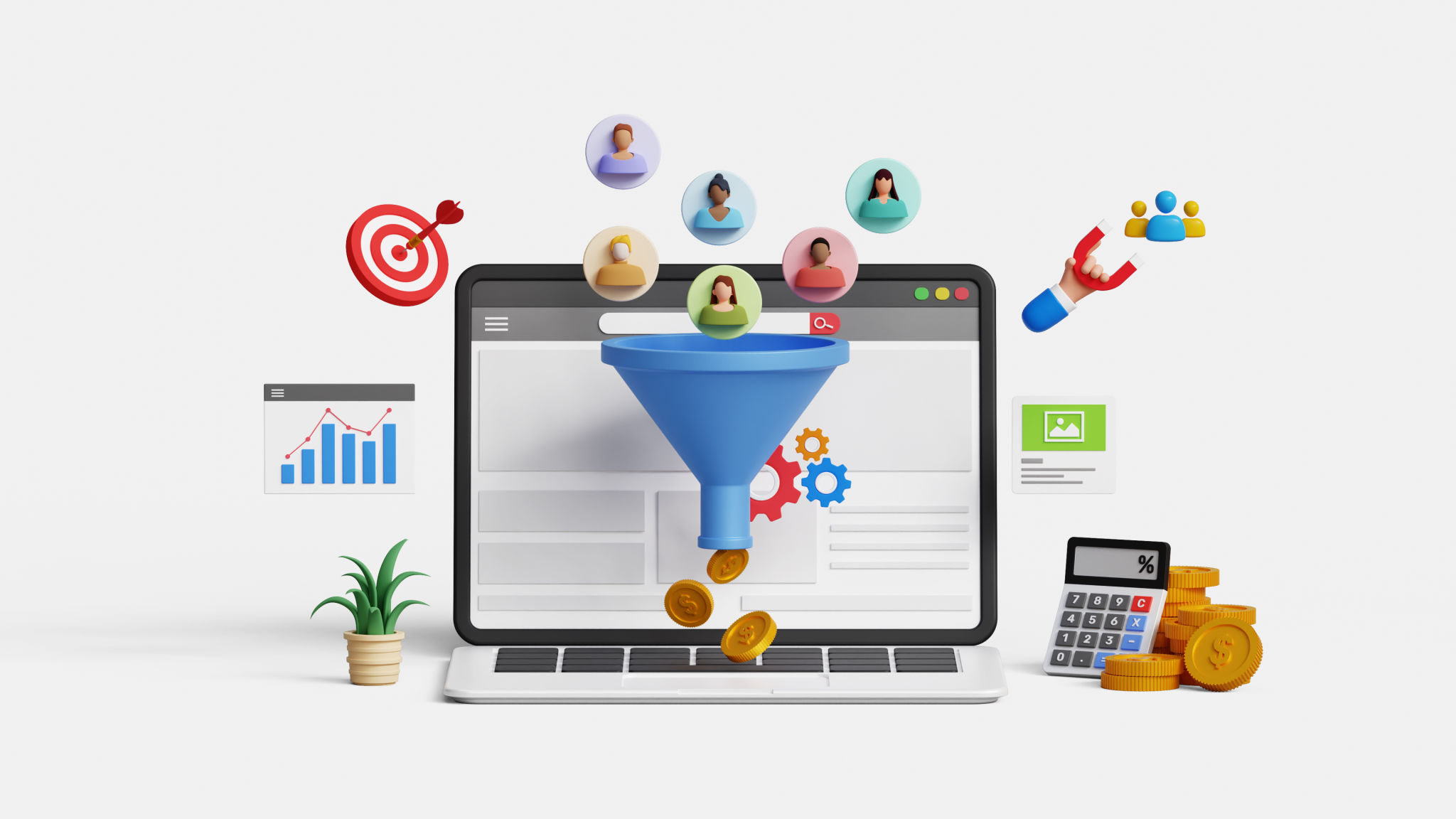
Choosing the Right Tools
Selecting the appropriate automation tools is essential for successful lead generation. Businesses should consider factors such as integration capabilities, ease of use, and scalability when evaluating options. Popular tools include CRM systems, email marketing platforms, and social media management software.
Additionally, it's vital to choose tools that align with your business goals and target audience. By doing so, you can ensure that your automation efforts are tailored to your specific needs, resulting in more effective lead generation.

Implementing Automation Strategies
Once you've selected the right tools, the next step is to implement effective automation strategies. This involves defining your target audience, creating engaging content, and setting up automated workflows that guide prospects through the sales funnel.
For instance, you can use automated email campaigns to nurture leads by sending personalized messages based on their behavior and interests. Similarly, chatbots can be employed to engage with prospects in real-time, answering common questions and directing them to relevant resources.

Measuring Success and Optimization
To ensure your automation efforts are delivering the desired results, it's essential to measure success through key performance indicators (KPIs). Common metrics include conversion rates, lead quality, and customer acquisition costs. Analyzing these metrics can provide valuable insights into what's working and what needs improvement.
Continuous optimization is crucial for maximizing the effectiveness of your lead generation efforts. By regularly reviewing and adjusting your strategies, you can stay ahead of industry trends and ensure your approach remains relevant and impactful.

Overcoming Challenges
While automation offers numerous benefits, it's not without challenges. Some common obstacles include data quality issues, integration difficulties, and maintaining a personal touch in interactions. To overcome these challenges, businesses should invest in comprehensive training and support for their teams.
Additionally, it's important to maintain a balance between automation and personalization. By integrating human insights with automated processes, companies can create meaningful connections with prospects, fostering trust and loyalty.
In conclusion, automating lead generation can significantly enhance a B2B company's ability to attract and convert potential clients. By choosing the right tools, implementing effective strategies, and continuously optimizing efforts, businesses can achieve lasting success in today's competitive market.